
In today’s fast-paced digital landscape, data has emerged as a cornerstone of effective media decision-making in the UK advertising sector. Brands are selecting the right channels. They are also understanding audience behavior. They leverage advanced analytics to craft effective campaigns that resonate with consumers. This article examines how various brands in the UK are using data to refine their advertising strategies. These efforts result in more targeted, measurable, and impactful media decisions.
The Shift Towards Data-Driven Decisions
Historically, advertising relied heavily on intuition and experience. However, the explosion of digital channels and data analytics tools has transformed the media planning landscape. Brands are now able to access a wealth of information about consumer behavior, preferences, and trends. This shift towards a data-driven approach allows advertisers to make informed decisions that align closely with their target demographics.
1. Unilever: Embracing Data for Consumer Insights
Unilever, a potential case study for data-driven advertising, has made significant strides in utilizing data analytics for better decision-making. The global consumer goods giant employs advanced data analytics to gain insights. It analyzes consumer behavior and purchasing patterns. It also evaluates social sentiment around its products.
For example, Unilever took a digital-first approach during the pandemic. They used data from social media platforms to understand how consumers’ needs were changing. This allowed the brand to adapt its marketing messages in real time, an effort that resonated with audiences. Their “Unstereotype” initiative aimed to challenge stereotypes in advertising. It was backed by substantial research and data analysis. This resulted in increased engagement and a positive consumer response.

2. Tesco: Personalization Through Data Segmentation
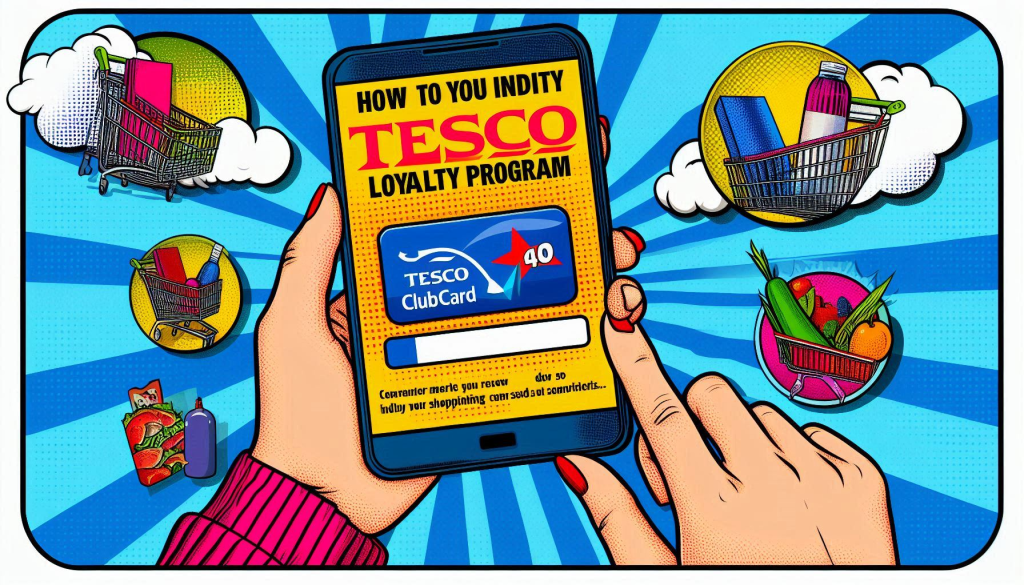
Tesco, one of the UK’s leading supermarket chains, understands the importance of data in personalizing user experience. The company uses insights from its Clubcard loyalty program to identify shopping habits and preferences of its customers. By segmenting their audience based on purchasing behavior, Tesco can tailor promotions and advertising messages to suit different customer segments.
For instance, during specific seasons, Tesco analyzes past purchasing data to create targeted promotional offers. If a particular segment shows an increased interest in BBQ-related products during the summer, Tesco responds by amplifying this interest. Tesco uses targeted ads both online and offline. The result? Higher conversion rates and increased customer loyalty.
3. Coca-Cola: Real-Time Marketing with Data
Coca-Cola’s use of data in marketing strategies exemplifies how real-time insights can enhance engagement. Coca-Cola used data analytics in its ‘Taste The Feeling’ campaign to drive marketing decisions. They focused on consumer experiences and interactions rather than solely on the product.
Coca-Cola used social media analytics and trend data. They created content that aligned with real-time cultural events and conversations. This adaptive approach not only strengthened their brand connection with consumers but also maximized reach and engagement across various platforms.

4. O2: Integrating Data for Omnichannel Strategies
O2, the telecommunications company, exemplifies how businesses can integrate data across multiple channels to create a cohesive customer journey. O2 understands that consumers interact with brands on various platforms. These include social media and email. Therefore, O2 employs a combination of CRM data and social listening tools to develop an omnichannel marketing strategy.

O2 analyzes customer interactions across different touchpoints. This has allowed them to create personalized content. It speaks directly to individual consumer needs. This integration ensures that O2 reaches the right audience. It also delivers a consistent message. These efforts enhance customer experience and satisfaction.
The Challenges of Data-Driven Decision Making
While the advantages of data in media decision-making are clear, UK advertisers face several challenges. Privacy concerns, the blurred lines around data ownership, and the complexity of analyzing vast amounts of information can create hurdles. Additionally, data sources are diversifying with emerging technologies like AI and machine learning. Businesses must invest in the right tools. They also need skilled personnel to turn raw data into actionable insights.

Conclusion
In the competitive landscape of UK advertising, utilizing data effectively is no longer optional; it is integral to success. Brands like Unilever, Tesco, Coca-Cola, and O2 show that strategic data use leads to more informed decision-making. It also enhances customer experiences and drives brand loyalty. As technology evolves, the role of data in media planning will increase. This growth challenges brands to continually adapt and innovate. By prioritizing data-driven strategies, advertisers can meet the demands of the modern consumer. They can also pave the way for future success.

Leave a comment