
As we stride into 2025, sustainability is emerging as a pivotal consideration in media planning and buying. Media companies, brands, and advertisers are increasingly adopting eco-friendly practices to reduce their carbon footprint and promote environmental responsibility. This blog post explores the significance of sustainability in media on both a UK and global scale. It discusses key components involved and highlights the critical watch-outs for the year ahead.
Sustainability in Media: UK and Global Scale
UK Perspective
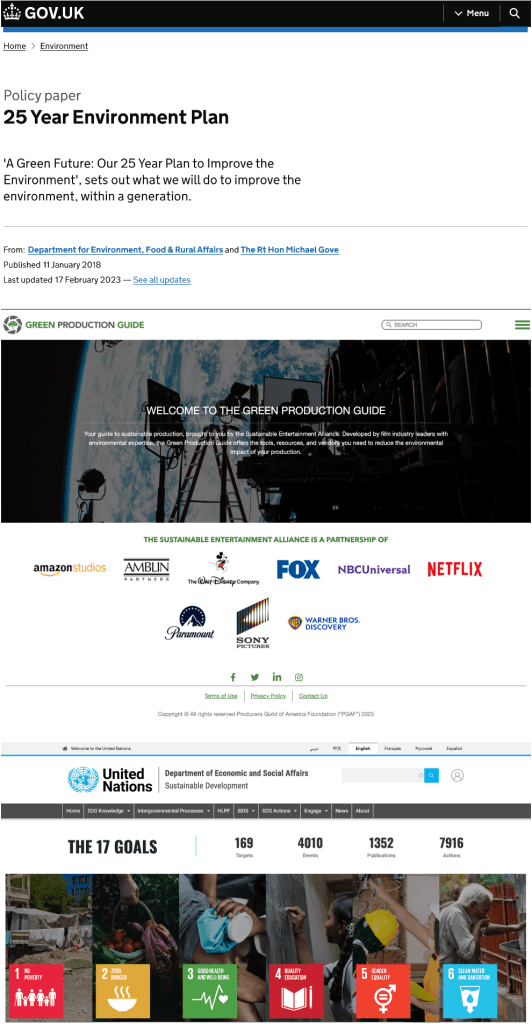
In the UK, media companies are at the forefront of the sustainability movement, integrating eco-friendly practices into their operations. The push for sustainability is driven by both regulatory requirements and consumer demand. The UK government has set ambitious targets for carbon reduction. Media companies are aligning their strategies to meet these goals. This includes transitioning to renewable energy sources, minimizing waste, and adopting sustainable production practices.

Global Perspective
Globally, the media industry is recognizing the urgent need to address environmental challenges. From Hollywood studios to advertising agencies, there is a collective effort to reduce carbon emissions and promote sustainable practices. International collaborations, such as the United Nations’ Sustainable Development Goals (SDGs), are helping guide the industry’s efforts. They aim to create a more sustainable future. Media companies across the world are leveraging their platforms to raise awareness about environmental issues and inspire positive change.
Key Components of Sustainable Media Practices
Renewable Energy Sources
A fundamental aspect of sustainable media practices is the transition to renewable energy sources. Media companies are increasingly investing in solar, wind, and hydroelectric power to reduce their reliance on fossil fuels. This shift not only lowers carbon emissions but also demonstrates a commitment to environmental stewardship. By adopting renewable energy, media companies can significantly decrease their carbon footprint and contribute to a cleaner, greener planet.
Waste Reduction
Waste reduction is another critical component of sustainable media practices. Media companies are implementing strategies to minimize waste throughout their operations, from production to distribution. This includes reducing single-use plastics, recycling materials, and opting for digital over print media when possible. By adopting a zero-waste approach, media companies can conserve resources and mitigate their environmental impact.
Sustainable Production Practices
Sustainable production practices are essential for creating eco-friendly media content. This involves using energy-efficient equipment, sourcing materials responsibly, and adopting green filming techniques. Media companies are taking steps to address their carbon emissions. They invest in reforestation projects or support carbon offset programs. By prioritizing sustainability in production, the media industry can create content that aligns with environmental values.
Campaigns Promoting Sustainability
Brands are increasingly focusing on creating campaigns that promote sustainable products and behaviors. By aligning their values with those of environmentally-conscious consumers, brands can drive positive change and enhance their reputation. Campaigns that highlight eco-friendly products, encourage recycling, and advocate for sustainable living resonate with consumers who prioritize environmental responsibility. This not only drives sales but also fosters a sense of community and shared purpose.
Watch-Outs for 2025
Regulatory Compliance
As sustainability becomes a central focus, regulatory compliance will be a critical watch-out for media companies. Governments around the world are tightening regulations to address climate change and environmental degradation. Media companies must stay abreast of these changes and ensure that their practices comply with evolving standards. Failure to do so can result in legal and reputational risks.
Transparency and Accountability
Transparency and accountability are essential for maintaining consumer trust. Media companies and brands must be open about their sustainability efforts and provide clear, verifiable information about their environmental impact. Greenwashing, or making misleading claims about sustainability, can erode trust and damage a company’s reputation. By being transparent and accountable, media companies can build credibility and foster long-term relationships with consumers.

Technological Advancements
The rapid pace of technological advancements presents both opportunities and challenges for sustainable media practices. Emerging technologies, such as AI and blockchain, can enhance sustainability efforts by improving efficiency and traceability. However, the energy consumption associated with these technologies must be carefully managed. Media companies must balance innovation with sustainability to ensure that technological advancements contribute positively to their environmental goals.
Consumer Expectations
Consumer expectations for sustainability are higher than ever. Media companies and brands must meet these expectations by delivering on their sustainability promises. This involves not only adopting eco-friendly practices but also engaging consumers in meaningful ways. By creating compelling, authentic campaigns that resonate with environmentally-conscious audiences, media companies can drive engagement and build loyalty.
In conclusion, sustainability is becoming a critical consideration in media planning and buying, both in the UK and globally. Media companies can significantly reduce their carbon footprint by adopting eco-friendly practices. They can also achieve this by reducing waste and promoting sustainable production. This promotes environmental responsibility. As we look ahead to 2025, it is essential to stay vigilant about regulatory compliance. We must also focus on transparency, technological advancements, and consumer expectations. By embracing sustainability, the media industry can pave the path for a greener, more sustainable future.

Leave a comment