
The landscape of alcoholic beverages is undergoing a significant transformation. This change is fueled by a growing consumer desire for authenticity, craftsmanship, and premium experiences. Consumers reject mass-produced options. They are increasingly drawn to artisanal and craft spirits and wines. Individuals seek unique narratives and unparalleled quality in their libations. This shift presents a significant opportunity for luxury brands to become more than just beverage purveyors. Luxury brands can curate exclusive experiences. These experiences resonate with connoisseurs and collectors. They can transform consumption into an act of personal expression and sophisticated indulgence.

The allure of luxury craft spirits and wines lies in their inherent attributes:
- Unique, High-Quality Beverages: The foundation of this market rests on the exceptional quality and distinct character of the products. Craft distilleries and wineries have a passion for meticulous production techniques. They utilize superior ingredients and traditional methods. The result is unparalleled flavor profiles.
- Limited-Edition Releases: Scarcity breeds desire. By creating limited-edition releases, luxury brands can tap into the exclusivity and collector appeal that drives the market. These releases can focus on rare vintages, unique cask finishes, or special collaborations that capture the attention of discerning consumers.
- Collaborations and Partnerships: Partnering with renowned distilleries or vineyards can add credibility and prestige to a brand. Collaborations allow brands to leverage the expertise and reputation of established players while introducing novel concepts and product variations.
- Craftsmanship, Heritage, and Exclusivity: Marketing efforts should emphasize the craftsmanship, heritage, and exclusivity that define luxury craft spirits and wines. Storytelling plays a crucial role in conveying the brand’s values, traditions, and the passion that goes into producing each bottle. Authenticity is paramount, as consumers seek brands with genuine narratives and a commitment to quality.
Marketing Considerations for Luxury Craft Spirits and Wines:
- Targeted Messaging: Tailor marketing messages to resonate with specific target audiences. Focus on groups such as connoisseurs, collectors, and affluent consumers seeking premium experiences. Highlight the unique attributes of each product and the brand’s commitment to quality and craftsmanship.
- Digital Presence: Develop a strong online presence through a well-designed website, engaging social media content, and email marketing campaigns. Utilize high-quality imagery and video to showcase the products and the brand’s story.
- Experiential Marketing: Invest in experiential marketing initiatives. These include tastings, events, and collaborations. Engage with consumers on a personal level to create memorable experiences.
- Partnerships with Luxury Retailers: Collaborate with luxury retailers. Partner with hospitality establishments to showcase products. Reach target audiences in exclusive settings.
- Content Marketing: Create valuable content, such as blog posts, articles, and videos. This content should educate consumers about the production process. Furthermore, it should inform them about the history and unique characteristics of the products.
Case Study: The Robbie Burns Whisky Company – craftsmanship in the bottle, Poetry in a glass, an investment on your shelf
The Robbie Burns Whisky Company has successfully carved a niche in the APAC (Asia-Pacific) luxury spirits market. They offer limited-release, aged Scotch whisky. This whisky is tailored to the discerning tastes of high-net-worth (HNW) and ultra-high-net-worth (UHNW) whisky collectors. The company uses a multi-sensory approach. They combine exceptional whisky with an immersive unboxing experience. They also promise a valuable heirloom.
Key Elements of the Robbie Burns Strategy:
Limited-Edition Releases: Each release is meticulously crafted and highly limited in quantity. Every bottle is individually numbered, as are the barrels from which it originates, ensuring provenance and traceability. This scarcity drives desirability and contributes to the perceived value of the product.
The Unboxing Experience:
Premium Packaging: The whisky arrives in a beautifully crafted box. The box is designed to be as much a part of the experience as the whisky itself.
Gold Leaf Authenticity Certificate: Each bottle comes with a gold leaf certificate of authenticity. The certificate is hand-signed by the Head Distiller. This further solidifies the product’s premium status. The certificate prominently displays the bottle and cask numbers.
AR Distillery Tour: A hologram on the box and certificate acts as a portal to an augmented reality (AR) experience. Scanning the hologram with a smartphone or tablet unlocks a virtual tour of the distillery, guided by the Chief Distiller. This immersive experience provides insights into the whisky’s creation, from the selection of the grain to the aging process.
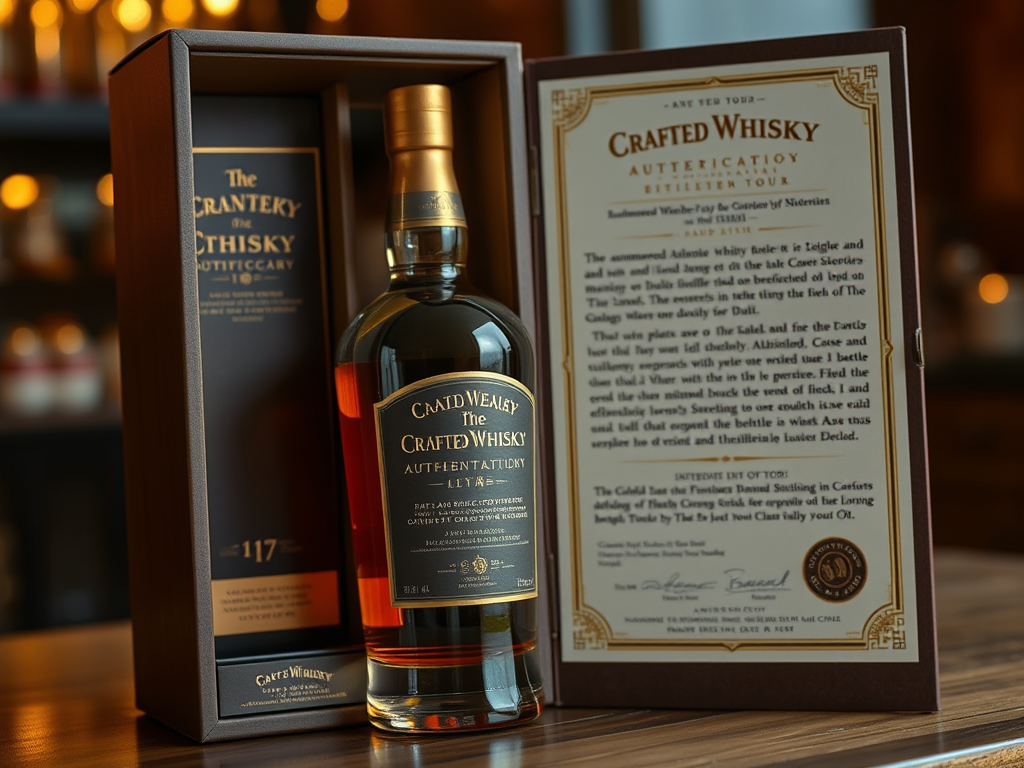
Craftsmanship Narrative: The AR experience and accompanying materials strongly emphasize the craftsmanship and heritage behind the Robbie Burns whisky. The Chief Distiller’s narration highlights the meticulous attention to detail and the passion that goes into producing each bottle.
Heirloom Value: The Robbie Burns Whisky Company positions its whisky as more than just a beverage. It’s an investment and an heirloom. The company explicitly states that the whisky is designed to increase in value if left unopened. This makes it a tangible asset. It can be passed down through generations.
Targeted Distribution: The company strategically distributes its products through exclusive channels. These include luxury retailers, private clubs, and high-end hotels. This strategy ensures that it reaches its target audience of HNW and UHNW individuals.
Results and Implications:
The Robbie Burns Whisky Company has achieved significant success in the APAC luxury spirits market by focusing on:
Creating a Multi-Sensory Experience: Exceptional whisky and premium packaging contribute to the experience. AR technology and a compelling narrative also play roles. Together, they create a truly immersive and memorable experience for consumers.
Emphasizing Exclusivity and Scarcity: The limited-edition releases and numbered bottles drive demand and contribute to the perception of value.
Building a Brand Story: The company effectively communicates its commitment to craftsmanship, heritage, and quality. This communication resonates with consumers who value authenticity and tradition.
Positioning as an Investment: The promise of increased value over time appeals to collectors and investors.
This case study shows that it’s crucial to look beyond just the product. It’s important to create a truly luxurious and immersive experience for consumers. By focusing on craftsmanship, heritage, and exclusivity, luxury brands can successfully enter the growing market for craft spirits and wines. They can establish themselves as purveyors of unforgettable indulgences by promising long-term value. The Robbie Burns Whisky Company provides a compelling example of elevating consumption into an art form. It solidifies its position as a leader in the APAC luxury spirits market.
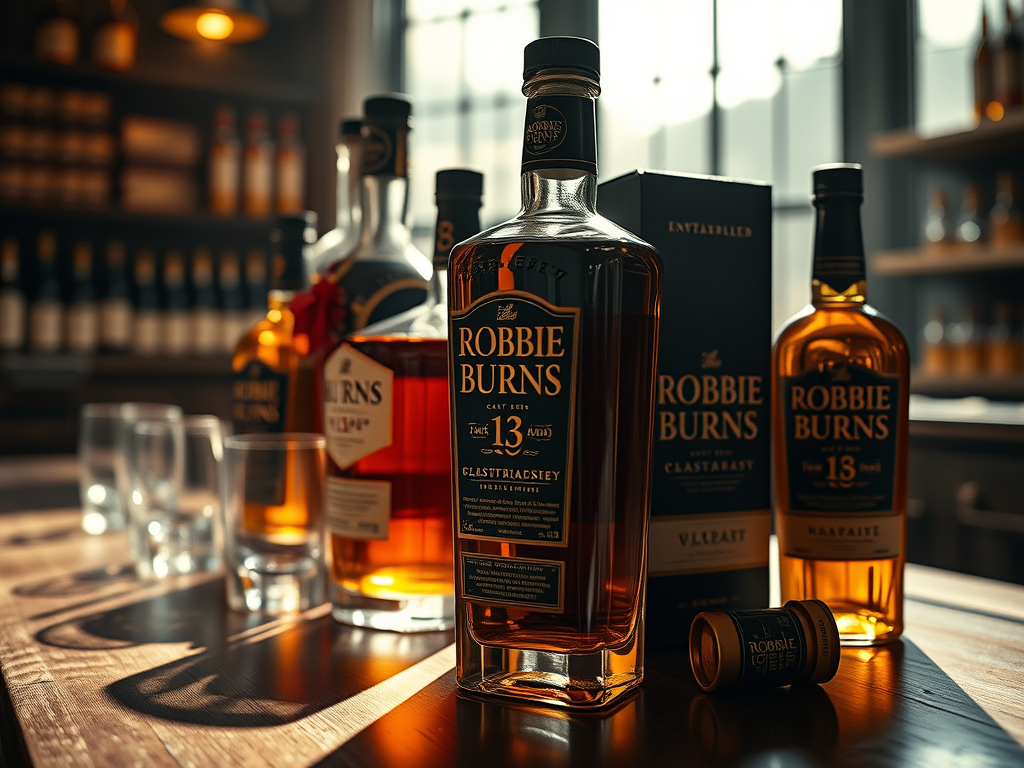
Luxury brands can effectively market their craft spirits and wines to discerning consumers by taking these factors into consideration. They can establish themselves as leaders in this burgeoning market. The key is to focus on the quality of the product. Emphasize the story behind the brand. Highlight the unique experiences that it offers.

Leave a comment