
To effectively approach the conversation regarding the allocation of their budget across Google Search, Google Shopping, and Google Performance Max, even in the absence of specific performance data, use this document as a check-list and consider the following steps:
Introduction:
In an era where small and medium-sized enterprises (SMEs) navigate a complex digital landscape, businesses face critical challenges. Optimizing marketing budgets across various platforms is one such challenge. The key to success lies in effectively allocating resources to channels that drive the most revenue. It should also enhance brand visibility. Furthermore, it should foster customer engagement. This checklist serves as a comprehensive guide. It aids in discussing budget allocation across Google Search, Google Shopping, and Google Performance Max with potential SME clients. This checklist clarifies objectives. It shows how open they are to experimentation. It explores the integration of online and offline activities. It shows how open they are to experimentation. It explores the integration of online and offline activities. This checklist equips marketers with the tools to make informed decisions. It also achieves tangible results.
Clarify Objectives and Priorities:
Begin the dialogue by delving into their primary goals. Are they predominantly focused on maximizing revenue, or do they also place significant importance on enhancing brand awareness and acquiring new customers? Understanding their core objectives will lay the groundwork for your recommendations.
Assess Willingness to Experiment:
Probe into their openness to experimenting with various strategies. Are they receptive to trying out different campaign approaches, and how do they feel about taking risks to achieve their goals? This insight will help tailor your suggestions to their comfort level.
Explore Brand Awareness:
Don’t overlook the significance of brand awareness in their marketing strategy. Discuss their current perception of brand presence in the market. Explore how they aim to elevate it through their advertising efforts.
Link Offline Sales to Online Activities:
Encourage a discussion about how offline sales are being connected back to their online marketing initiatives. Understanding this relationship can provide a clearer picture of their overall performance and the impact of their digital campaigns. Connecting offline sales to online activity can transform the understanding of your digital marketing impact. It helps grasp the full effect of your efforts. Here are some strategies you can use, particularly through Google:
Google Ads Offline Conversion Tracking:
Enhanced Conversions for Leads: This feature allows you to import offline conversion data into Google Ads. By using user-provided data, such as email addresses, you can match offline sales back to the online ads that drove them.
Offline Conversion Import: You can import offline conversion data into Google Ads to measure what happens after an ad click or call leads to an offline sale.
Google Analytics:
Measurement Protocol: This allows you to send offline data to Google Analytics. You can track offline transactions and link them to online interactions by sending data directly from your CRM or POS system to Google Analytics.
Google My Business:
Store Visits: If you have physical locations, you can use Google My Business to track store visits. This feature uses anonymized data from users who have opted into Location History to estimate the number of people who visited your store after clicking on your ad.
Customer Match:
CRM Data Integration: By integrating your CRM data with Google Ads, you can create customer lists based on offline sales and target these customers with tailored ads. This helps in linking offline sales back to online activity and optimizing your campaigns accordingly.
Local Inventory Ads:
Showcase Local Inventory: These ads allow you to showcase your local inventory to nearby shoppers searching on Google. You can track the performance of these ads and link them to offline sales.
Discuss Deduplication and Attribution:
Finally, engage them in a conversation about their methods for deduplicating and attributing conversions across other digital channels. It’s crucial to understand how they track and measure the effectiveness of their campaigns, as this will inform more strategic budget allocations.
Understanding Deduplication:
What is Deduplication? Deduplication is the process of ensuring that each conversion is counted only once, even if the user interacted with multiple touchpoints. This prevents inflated conversion numbers and provides a more accurate measurement of campaign performance.
Why is it Important? Without deduplication, you might attribute the same conversion to multiple campaigns or channels, leading to inaccurate data and misguided budget allocations.
Methods of Deduplication:
Unique User IDs: Use unique identifiers (e.g., email addresses, phone numbers) to track users across different channels and touchpoints.
Tracking Pixels: Implement tracking pixels on your website to capture user interactions and conversions, ensuring each conversion is counted only once.
CRM Integration: Integrate your Customer Relationship Management (CRM) system with your marketing platforms to track conversions and avoid duplication.
Understanding Attribution:
What is Attribution? Attribution is the process of assigning credit to various touchpoints along the customer journey that led to a conversion. It helps you understand which channels and campaigns are most effective.
Why is it Important? Proper attribution provides insights into the customer journey, allowing you to optimize your marketing strategy and allocate budgets more effectively.
Attribution Models:
Last Click Attribution: Assigns all credit to the last touchpoint before conversion. Simple but can overlook earlier interactions.
First Click Attribution: Assigns all credit to the first touchpoint. Useful for understanding initial interest but may ignore the nurturing process.
Linear Attribution: Distributes credit evenly across all touchpoints. Provides a balanced view but may dilute the impact of key interactions.
Time Decay Attribution: Gives more credit to touchpoints closer to the conversion. Reflects the importance of recent interactions.
Position-Based Attribution: Assigns 40% credit to the first and last touchpoints and 20% to the interactions in between. Balances initial interest and final decision.
Data-Driven Attribution: Uses machine learning to analyze the impact of each touchpoint based on actual conversion data. Most accurate but requires substantial data.
Discussing with the Client:
Identify Current Practices: Ask the client about their current methods for deduplication and attribution. What tools and systems are they using? Are there any challenges or gaps in their current approach?
Evaluate Data Quality: Discuss the quality and completeness of their data. Are they capturing all relevant touchpoints and interactions? Are there any discrepancies or inconsistencies?
Based on their objectives and resources, recommend best practices for deduplication and attribution. By guiding the conversation through these essential topics, you can create a comprehensive framework for discussing budget distribution that aligns with their unique goals and market dynamics.
Explaining the Channels:
Google Search:
This platform stands out as a powerful tool for attracting high-intent traffic. It targets users who are actively seeking specific products or services. When potential customers type queries into the search bar, they are often ready to make a decision, making this channel invaluable for capturing interest at critical moments in the purchasing journey.
Advantages: High intent, clear targeting, and measurable ROI.

Drawbacks: Can be competitive and expensive for certain keywords.
Google Shopping:
This channel is particularly effective for visually showcasing products, offering a vibrant display that captures the attention of shoppers. By presenting items with eye-catching images, prices, and relevant product details, Google Shopping drives direct sales and enhances the shopping experience, allowing users to compare and choose products efficiently.

Advantages: Visual ads, price comparison, and direct product listings.
Drawbacks: Requires a well-optimized product feed and can be competitive.
Google Performance Max:
This innovative campaign type embodies a holistic approach to advertising across all of Google’s diverse platforms. By leveraging advanced machine learning, Performance Max optimizes marketing efforts in real time, tapping into Google’s vast inventory—including Search, YouTube, Display, and Discover. This unified strategy not only enhances reach but also tailors ads to audiences most likely to convert, maximizing overall campaign effectiveness.
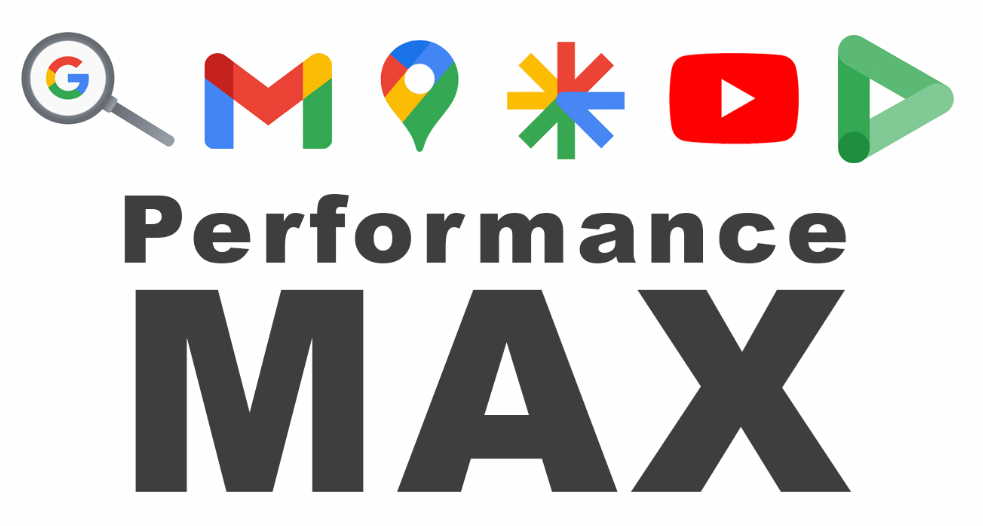
Advantages: AI-driven optimization, broad reach, and the ability to capture users across multiple channels.
Drawbacks: Less control over individual placements and learning curve for interpreting performance data.
Propose a Test-and-Learn Approach
Begin by suggesting a structured strategy. Allocate an initial budget across various marketing channels. Dedicate 40% of the budget to Google Search. Allocate 30% to Google Shopping. Use the remaining 30% for Performance Max campaigns.
Highlight the critical need for ongoing vigilance through continuous monitoring, dynamic testing, and strategic optimization informed by performance metrics. Encourage setting up comprehensive conversion tracking systems along with utilizing Google Analytics. This will empower the team to gain valuable insights into user interactions. They can assess performance and return on investment for each channel effectively. This approach ensures informed decision-making and improved outcomes over time.
Highlighting Key Metrics
In the realm of digital marketing, understanding key performance indicators (KPIs) is crucial for assessing success and optimizing strategies. Important KPIs include return on ad spend (ROAS), cost per acquisition (CPA), and conversion rate. Each of these metrics provides valuable insights into the effectiveness of marketing efforts.
Return on Ad Spend (ROAS)
Measures the revenue generated for every dollar spent on advertising. A higher ROAS indicates a more profitable ad campaign.
Cost per Acquisition (CPA)
tracks the total cost associated with acquiring a new customer. Monitoring CPA helps businesses evaluate their efficiency in converting leads into paying customers.
Conversion Rate
indicates the percentage of visitors to a website that complete a desired action. Examples include making a purchase or signing up for a newsletter. A higher conversion rate signifies an effective marketing approach and website experience.
Each marketing channel plays a unique role in influencing these KPIs, making it essential to review their performance regularly. By analyzing how different channels contribute to these metrics, businesses can make informed decisions on budget allocation. They can also make strategic adjustments to enhance overall performance. Regular performance reviews ensure that resources are directed toward the most effective channels, ultimately driving better results.
Set Realistic Expectations:
It’s important to communicate that achieving significant results may require time. Making iterative improvements is crucial for long-term success. Additionally, providing case studies or examples from similar businesses can effectively illustrate potential outcomes and help set realistic expectations.
Conclusion:
In conclusion, effectively managing and allocating marketing budgets across Google Search, Google Shopping, and Google Performance Max is crucial. It is essential for SMEs striving to maximize their digital presence. It also helps drive revenue growth. By following the steps outlined in this checklist, marketers can engage in meaningful conversations with potential clients. They can uncover their core objectives. Marketers will assess their willingness to experiment and link offline sales to online activities. Furthermore, understanding and implementing deduplication and attribution practices will ensure accurate measurement of campaign effectiveness. Ultimately, a strategic and informed approach to budget allocation will empower SMEs. It will help them optimize their marketing efforts. They will achieve sustainable growth. SMEs will navigate the ever-evolving digital landscape with confidence.

Leave a comment