

The advertising industry stands at a pivotal juncture. It is grappling with the rapid evolution of data analytics. This evolution is fueled by Artificial Intelligence (AI). Methodologies like Media Mix Modeling (MMM) and Multi-Touch Attribution (MTA) are cornerstones of media planning and optimization. However, their over-reliance and potential for misuse are increasingly apparent. The anecdote of using statistics as a “drunken man uses lampposts … for support rather than illumination” highlights a significant danger. Employing data to merely justify pre-determined outcomes can stifle the very innovation it should inspire. This paper argues for a paradigm shift. It advocates for a renewed focus on human creativity and strategic thinking. The objective is to leverage AI and unlock the true potential of media measurement.
The Current Landscape: MMM, MTA, and the Industry’s Reliance
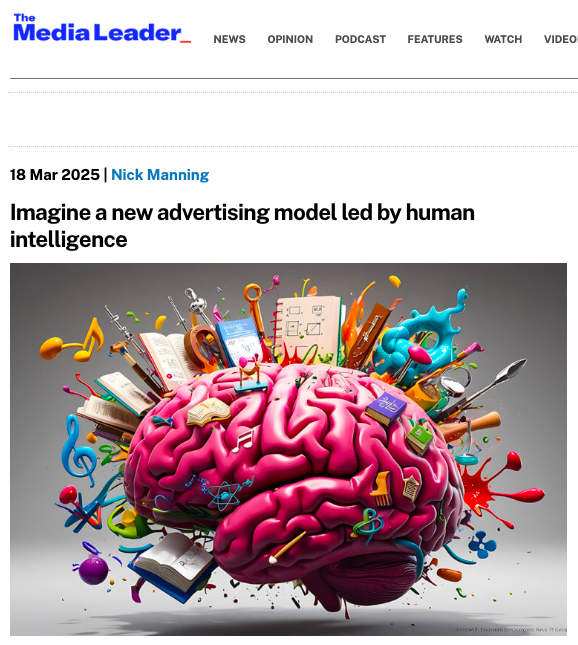
Media Mix Modeling (MMM) has been a staple in marketing for decades. It offers a holistic view of the impact of various marketing channels on key business metrics. These are typically sales or revenue. MMM analyzes historical data such as media spend, pricing, seasonality, and competitor activities. It aims to quantify the contribution of each marketing touchpoint. It also seeks to optimize future budget allocation. Mannings discusses a new advertising model. He underscores the historical reliance on this type of data analysis. However, he also alludes to its limitations in a modern, fast-paced media landscape (Manning, 2023).
Multi-Touch Attribution (MTA), on the other hand, focuses on attributing credit to individual touchpoints along the customer journey. It seeks to understand how each interaction, from initial ad exposure to the final conversion, contributes to the overall outcome. In theory, this allows marketers to identify the most effective channels and optimize their campaigns in real-time.
The advertising industry’s reliance on MMM and MTA is undeniable. Advertisers and agencies face pressure to demonstrate ROI. This pressure compels them to justify marketing spend. As a result, they have embraced these methodologies as tools for data-driven decision-making. The promise of optimized campaigns and increased efficiency has fueled significant investment in these techniques. As highlighted in Media Mix Modeling, the focus on data-driven decision making has often led to a neglect of qualitative insights and instinct that are vital to campaign success (Portland Rock Consortium, n.d.).
The Cost and Prevalence of MMM
The cost of conducting an MMM study can vary significantly. Several factors influence this variability. These include the complexity of the model, the number of channels being analyzed, and data availability. Additionally, the expertise of the modeling team is important. Generally, MMM studies can range from $50,000 for a basic model. The cost can exceed $500,000 for an in-depth analysis. This analysis covers multiple markets and many marketing channels. Smaller businesses might explore simpler, more affordable solutions, while large multinational corporations often require sophisticated, custom-built models. That is a significant sum of money for an agency, whether independent or part of a global holding group. Im not surprised that they fight to defend these studies as a must-have for their clients.

Several agencies and consulting firms specialize in MMM. These agencies include Nielsen, Kantar, Analytic Partners, Neustar (now TransUnion), and MarketShare (now owned by Accenture). In addition, many large media agencies have in-house MMM teams. The number of agencies engaged in MMM work is substantial, highlighting the widespread adoption of this methodology within the industry. The exact number is difficult to quantify. However, estimates suggest that hundreds of agencies globally offer MMM services. These range from specialized analytics firms to large, full-service advertising agencies.
The Rise of AI and the Challenges to Traditional MMM
However, the rise of AI is disrupting the traditional MMM landscape. AI-powered tools and platforms can now automate many tasks involved in MMM. These tasks include data collection, cleaning, and model building. This automation is leading to:
- Increased Speed and Efficiency: AI can perform complex analyses in a fraction of the time compared to traditional methods.
- Reduced Costs: Automation reduces the need for manual labor, lowering the overall cost of MMM studies. As the initiating prompt alludes, AI is drastically bringing down the cost and time commitment for these analyses.
- Improved Accuracy: AI algorithms can identify patterns and insights. Human analysts might miss these patterns and insights. This identification leads to more accurate and reliable models.
This automation presents both opportunities and challenges for agencies and advertisers. On one hand, it allows them to access more sophisticated insights at a lower cost. On the other hand, it threatens the traditional business model of agencies that rely heavily on MMM services.
The Danger of Over-Reliance and the Potential for Misuse
While MMM and MTA can be valuable tools, they are not without their limitations. Over-reliance on these methodologies can lead to:
- Stifled Creativity: Focusing solely on data-driven optimization can discourage experimentation and innovation. As stated in the prompt, insights should inspire strategies, not be used to pre-determine outcomes.
- Short-Term Focus: MMM and MTA tend to favor easily measurable channels. They emphasize tactics that can be measured. This focus potentially neglects the long-term benefits of brand building and strategic investments.
- Data Bias: The accuracy of MMM and MTA models depends heavily on the quality and completeness of the data used. Biased or incomplete data can lead to misleading results.
- Lack of Context: These models often fail to account for external factors. They also do not consider contextual nuances. These elements can significantly impact marketing performance.
Furthermore, there is a risk of manipulating MMM and MTA models to justify pre-determined outcomes. By carefully selecting data inputs, adjusting model parameters, or cherry-picking results, individuals can influence analysis outcomes. This allows them to create a seemingly objective analysis. Such analysis may support a particular agenda. This misuse of data not only undermines the integrity of media measurement but also leads to suboptimal marketing decisions.

A Call for Innovation and Creativity
To thrive in the age of AI, the advertising industry must embrace a new approach to media measurement that prioritizes human creativity and strategic thinking. This approach should involve:
- Leveraging AI for Automation and Efficiency: Embrace AI-powered tools to automate data collection, analysis, and model building, freeing up human analysts to focus on higher-level tasks.
- Focusing on Strategic Insights: Use MMM and MTA as tools for generating insights and understanding marketing effectiveness, rather than as justifications for pre-determined outcomes.
- Prioritizing Creativity and Innovation: Encourage experimentation and risk-taking, recognizing that the most effective marketing campaigns are often those that break the mold.
- Integrating Qualitative Data: Combine quantitative data with qualitative insights from market research, customer feedback, and industry experts to gain a more holistic understanding of marketing performance.
- Embracing a Human-Centered Approach: Focus on understanding consumer behavior, motivations, and preferences, and use this knowledge to create more relevant and engaging marketing campaigns.
As the prompt suggests, agencies should strive to be progressive, embracing the shift towards AI while championing creativity. This requires a willingness to experiment with new approaches, invest in training and development, and foster a culture of innovation.
So what for the media industry?
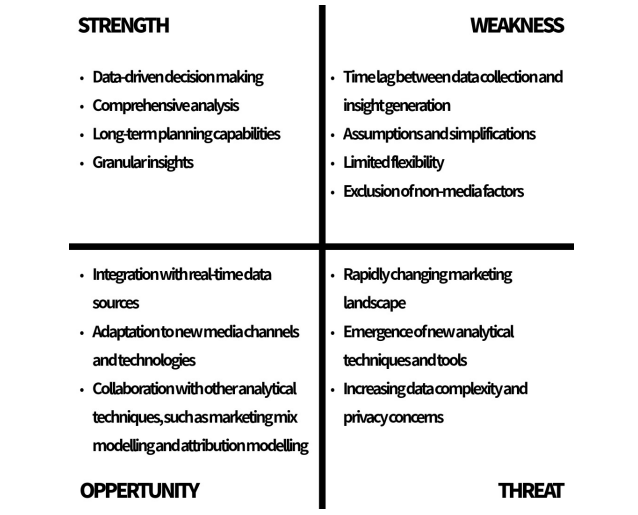
Marketing (Media) Mix Modeling (MMM) has its flaws. However, it is essential not to ‘throw the baby out with the bathwater.’ Despite its limitations, such as lagging adaptability to real-time data and assumptions in its methodology, MMM has significant strengths. It offers many opportunities. Its ability to deliver granular insights, guide long-term planning, and enhance data-driven decision-making are invaluable. Much like the ‘Curate’s Egg,’ MMM is good in parts. Its effectiveness depends on how it’s implemented and integrated. We can embrace the strengths of MMM. By addressing its weaknesses, we can leverage MMM to navigate an increasingly complex marketing landscape. This can be done with precision.
The media and advertising industry is undergoing a profound transformation driven by the rise of AI. Methodologies like MMM and MTA will continue to play an important role in media measurement. However, over-reliance on them poses a significant threat. This misuse can stifle innovation and creativity. By embracing AI as a tool for automation and efficiency, agencies and advertisers can enhance operations. Prioritizing human creativity and strategic thinking allows them to unlock the true potential of media measurement. This approach can create more effective and impactful marketing campaigns. The future of advertising does not lie in resisting change. It lies in evolving with change. By embracing the power of AI, we can augment human intelligence and unlock new possibilities.
References
Manning, N. (2023). Imagine a new advertising model led by human intelligence. The Media Leader. https://uk.themedialeader.com/imagine-a-new-advertising-model-led-by-human-intelligence/
Hills, D. (2025). Chapter Two; Media mix modeling: Benefits, Limitations, and the Role of AI: https://portlandrockconsortium.co.uk/media-mix-modeling/

Leave a comment