
Mastering Wine Brand Awareness: AIDA and R64 in Media Planning
The world of wine branding is rich with heritage, culture, and evolving consumer expectations. I am starting a new project with ACME Wines. I find myself reflecting on what truly makes a wine brand stand out in today’s competitive market. Is it legacy? Storytelling? Digital engagement? The truth is, branding success demands a structured approach. It blends cultural authenticity with data-driven execution. This ensures that awareness isn’t just widespread. It becomes strategically impactful.
I previously worked on developing a Scotch whisky brand for Bard of Scotch. I saw firsthand how audience identification influences brand growth. Investment allocation and omnichannel execution also play a crucial role. While whisky and wine cater to different drinking occasions, the principles behind successful media planning remain the same. With ACME Wines, I am aligning my strategy around how brands can effectively structure their media investment. I focus on optimizing first-party data. Additionally, I execute awareness campaigns with precision. At the heart of this thinking are two key models. The Rule of 64 is a blueprint for investment distribution. AIDA is a framework for guiding consumers through the awareness-to-purchase journey.
The Rule of 64
A Blueprint for Media Investment
Inspired by the 64 squares on a chessboard, the Rule of 64 outlines how media budgets, resource allocation, and strategic focus should be distributed across a brand’s marketing funnel.
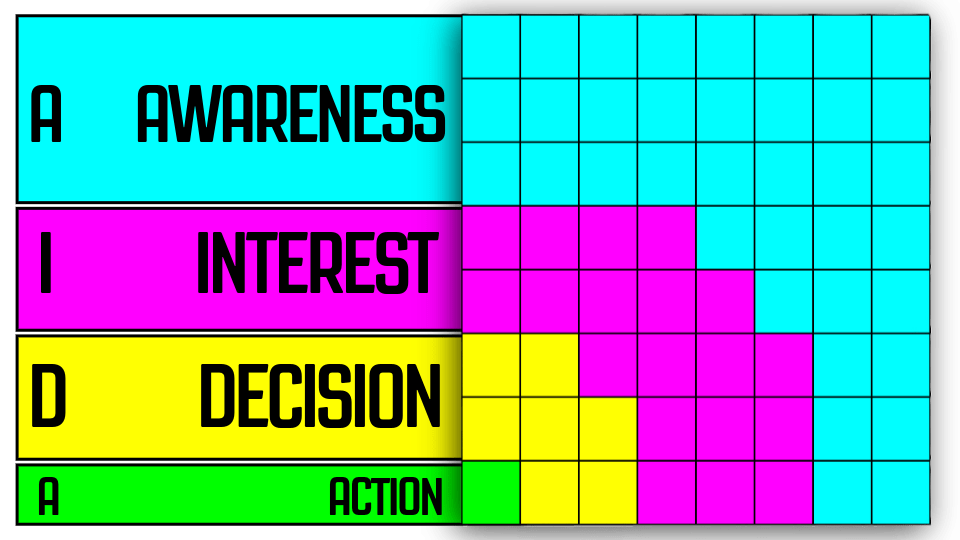
It recognizes that:
- Investment should not be equal at every stage, but weighted strategically to deliver long-term growth.
- Each level of the AIDA model (Attention, Interest, Desire, Action) requires a tailored budget allocation.
- Each sure represents around 1.6%. This gives you a guide, NOT an absolute! Use this to visualize how you may allocate your budgets effectively
- Precision in media execution determines how effectively brand awareness translates into conversions.
When applied to ACME Wines’ media planning, the Rule of 64 ensures that investment is optimized for brand awareness, engagement, and sales activation.
Applying AIDA Within the Rule of 64 Framework
AIDA serves as the consumer journey roadmap that aligns media execution with investment structure.
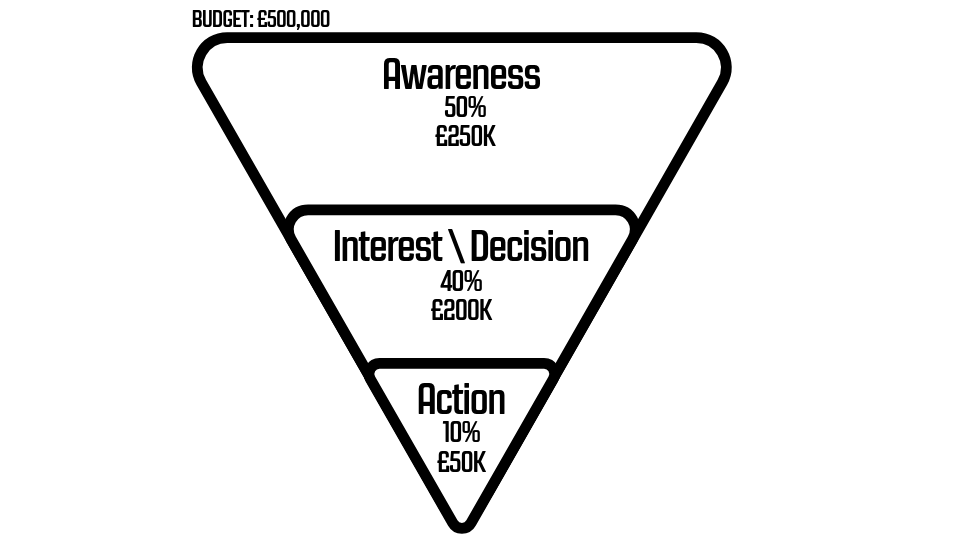
1. Attention – Capturing Consumer Interest with Smart Budget Allocation
At the top of the funnel, investment should focus on visibility-driven media placements that spark initial brand awareness.
Investment Allocation:
- Programmatic display ads (high-reach campaigns).
- Social media video (engagement-driven content).
- Sponsorships & event activations (high-impact audience recall).
Rule of 64: 25% of media budget should be directed toward high-visibility awareness campaigns, ensuring a strong foundation for consumer recall.
2. Interest – Deepening Engagement with Storytelling & Personalization
Once brand awareness is established, media investment shifts toward education, experience, and brand connection.
Investment Allocation:
- Interactive content marketing (blogs, SEO, brand guides).
- CRM-based engagement (first-party data personalization).
- Retail media (POS activations aligning digital with physical presence).
Rule of 64: 20% of the media budget should strengthen engagement strategies, focusing on digital storytelling and personalized content.
3. Desire – Driving Purchase Motivation Through Emotional Branding
At this stage, media investment elevates brand exclusivity, desirability, and perceived value.
Investment Allocation:
- Influencer & UGC campaigns (trusted advocacy).
- Personalized remarketing strategies (dynamic audience retargeting).
- Direct email conversion-driven campaigns.
Rule of 64: 12% of the budget should focus on deepening emotional consumer connections, ensuring brand affinity leads to intent-driven actions.
4. Action – Streamlining Conversions & Loyalty
Final-stage media planning ensures a seamless path to purchase and long-term engagement.
Investment Allocation:
- Shoppable social media and retail integration.
- AI-powered purchase recommendations.
- Loyalty program activations for retention.
Rule of 64: 7% of the budget should facilitate direct conversions, ensuring frictionless consumer purchase journeys.
Upcoming Blog Series – Deep-Dive into Wine Media Strategy
Throughout the week, I’ll explore critical elements of wine media planning—each post addressing a specific strategic challenge.
First-Party Data & GDPR – Building Consumer Trust How ACME Wines can refine data acquisition, segmentation, and compliance frameworks for precision-targeted campaigns.
Cultural Storytelling in Wine Branding Why heritage, provenance, and social relevance remain essential in connecting wine brands to consumers.
Omnichannel Media Execution Optimizing wine brand visibility across digital, retail, e-commerce, and experiential activations.
From Awareness to Loyalty – Optimizing Conversions How structured data-driven loyalty strategies reinforce long-term brand engagement and repeat purchases.
